
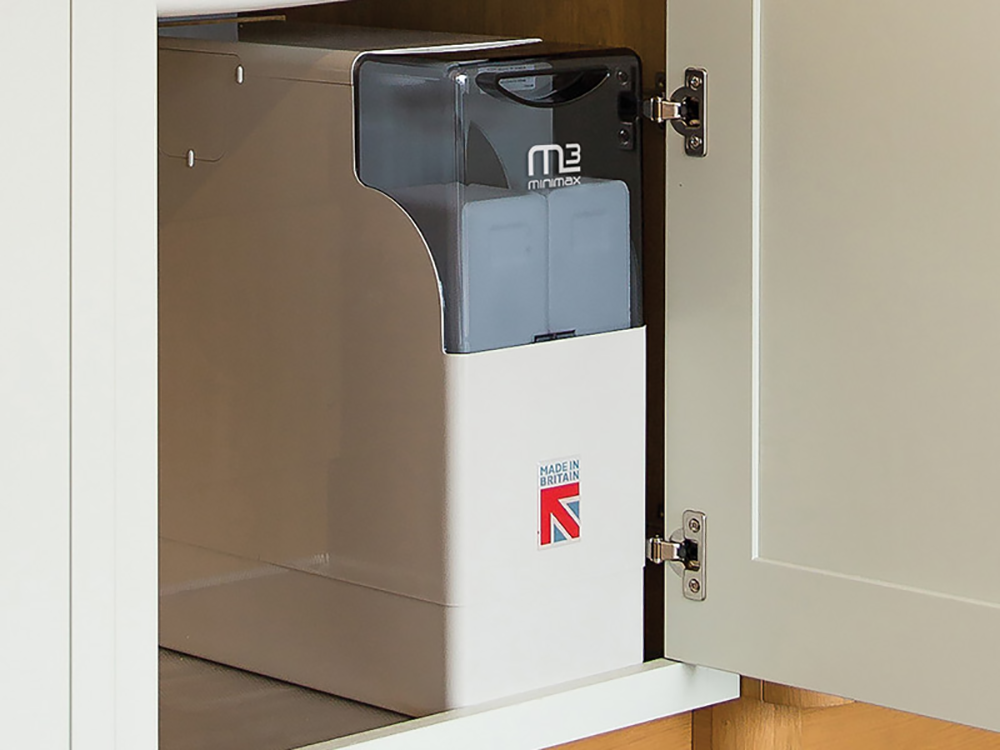
Custom kitchens are a dream come true for many homeowners, offering a space tailored to their specific needs and aesthetics. But when it comes to plumbing considerations, a potential clash can arise – water softener and their impact on high-end fixtures. While soft water might feel luxurious, it can have unintended consequences for certain custom kitchen elements. Understanding these potential issues and exploring alternative solutions empowers you to create a dream kitchen that functions flawlessly.
The Allure and Impact of Soft Water
Water softeners remove hardness minerals like calcium and magnesium. While soft water feels silky on your skin and reduces soap scum buildup, it can negatively affect specific features in your custom kitchen:
- Stainless Steel Finishes: Soft water can be slightly corrosive to unpassivated stainless steel, leading to pitting and discolouration. High-quality custom kitchens often utilize unpassivated stainless steel for its sleek, industrial aesthetic.
- Faucet Performance: Mineral deposits in hard water can cause buildup, hindering faucet performance over time. However, soft water lacks these minerals, potentially leading to leaks around the faucet cartridge due to a lack of lubrication.
- Appliance Longevity: While soft water may extend the lifespan of some appliances like dishwashers by reducing scaling, it can shorten the life of others. For instance, some tankless water heaters require minimum hardness minerals for optimal performance.
Balancing Beauty with Functionality: Exploring Solutions
Creating a harmonious blend of aesthetics and functionality requires a strategic approach:
- Water Softener Bypass System: Install a bypass system for your kitchen sink. This allows you to switch between softened and unsoftened water at the sink, ensuring optimal performance for your faucet and protecting unpassivated stainless steel finishes.
- Material Selection: Consider alternative materials for specific elements. While unpassivated stainless steel offers a unique look, explore options like 304 or 316-grade stainless steel, which are more resistant to soft water’s corrosive effects.
- Water Filtration System: While a water softener removes hardness minerals, it doesn’t necessarily address impurities. Installing a separate water filtration system at the kitchen sink provides clean, filtered drinking water without affecting the water reaching your faucet.
- Consulting a Plumber: Consult a qualified plumber during the custom kitchen planning stages. They can assess your water quality and advise on the best approach to ensure your dream kitchen’s functionality and aesthetics.
The Perfect Blend: Achieving Kitchen Harmony
Water softeners provide numerous benefits, but their impact on custom kitchens requires careful consideration. You can balance beautiful aesthetics and optimal functionality by understanding potential issues and exploring solutions like bypass systems, material selection, and water filtration. Remember, prioritize consulting with a qualified plumber to ensure your custom kitchen is not just a showstopper but also performs flawlessly for years.