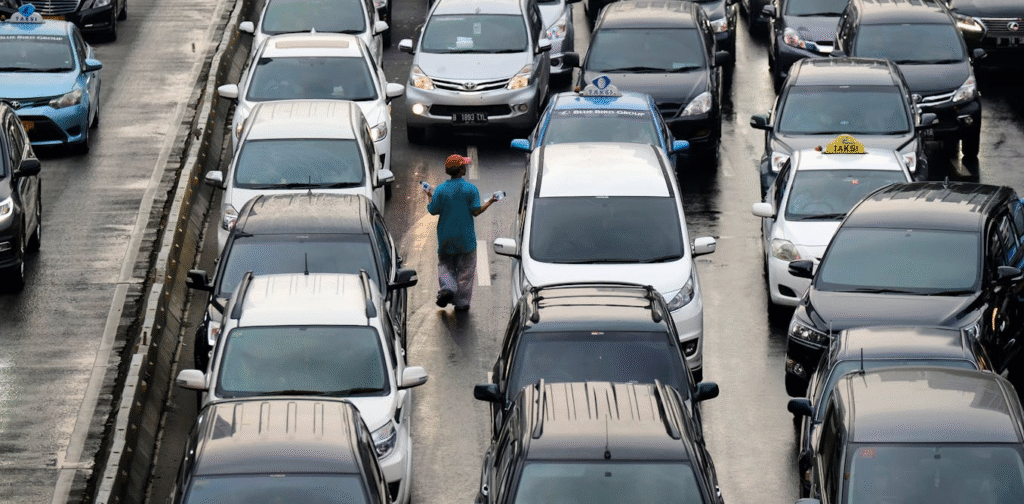
Urban living demands precision in both time management and financial oversight. Transportation, a constant in daily existence, often conceals costs and inefficiencies that accumulate silently. Harnessing effective traffic finance solutions provides clarity, minimizes unnecessary spending, and integrates financial strategy into routine travel. For both individuals and organizations, these solutions have become a cornerstone of efficiency in a world where mobility defines opportunity.

Understanding Modern Challenges
Congested cities and unpredictable routes create financial complexities. Fuel expenses fluctuate, tolls vary, and parking fees accumulate. Meanwhile, maintenance costs rise as vehicles endure frequent stop-and-go driving. These realities illustrate the necessity of traffic finance modern approaches that adapt to changing conditions. Relying on outdated budgeting techniques is no longer sufficient. Instead, travelers and businesses must adopt flexible systems that monitor, analyze, and predict expenditures in real time.
Modern challenges are not only financial but also structural. Urban development, population growth, and regulatory changes all influence how transportation costs evolve. Without effective oversight, these variables transform commutes into financial burdens. Traffic finance solutions act as stabilizers, ensuring that despite external shifts, mobility remains cost-effective and sustainable.
The Role of Digital Tools
Technology serves as the backbone of efficiency. Digital platforms that track expenses, calculate alternative routes, and forecast fuel consumption empower users to stay ahead. These tools simplify complexity by turning raw data into actionable insights. For businesses managing fleets, integration with GPS and telematics systems provides a complete financial overview, highlighting inefficiencies and opportunities for savings.
On a personal level, commuters benefit from apps that monitor fuel efficiency, compare toll variations, and display real-time traffic costs. These innovations embody traffic finance lifestyle integration, where financial awareness becomes a seamless part of everyday mobility. Travelers gain not only clarity but also control over their financial outcomes.
Practical Applications in Daily Life
Applying traffic finance solutions requires small but impactful changes. Carpooling arrangements reduce fuel costs while lessening vehicle wear. Adjusting departure times to avoid peak congestion cuts fuel consumption and saves hours annually. Even choosing alternative parking areas can yield measurable savings. These adjustments reflect traffic finance life in action, where thoughtful decisions transform commutes into strategic financial opportunities.
For organizations, fleet management solutions provide structure. Optimizing delivery schedules, monitoring driver behavior, and planning maintenance cycles ensure that vehicles operate at peak efficiency. Businesses that adopt these measures often report substantial cost reductions, along with improved operational reliability.
Building Sustainable Habits
Consistency is vital. Sporadic monitoring or occasional adjustments are insufficient to counter long-term financial drains. Embedding financial awareness into daily routines creates sustainable savings. Commuters who log expenses, review patterns, and adjust accordingly see their traffic finance lifestyle evolve into one of informed decision-making.
For corporations, establishing policies that reward efficient driving, promote route discipline, and encourage proactive maintenance reinforces these habits. Over time, these practices become cultural norms that sustain savings across the entire organization.
Adapting to a Modern Environment
The pace of urban development demands adaptability. Traffic finance modern approaches recognize that what works today may not hold tomorrow. Rising fuel prices, new toll systems, and evolving regulations require constant reassessment. By employing adaptive financial tools, commuters and businesses maintain agility, ensuring they remain prepared for unexpected shifts.
Moreover, the increasing adoption of electric vehicles introduces new financial considerations. Charging infrastructure, energy costs, and vehicle lifespan analysis now form part of traffic finance solutions. Integrating these variables ensures that financial strategies remain relevant as technology reshapes transportation.
Achieving Long-Term Gains
While short-term savings are valuable, the true power of strategic transportation finance lies in long-term planning. Small, consistent improvements accumulate into significant traffic finance life benefits. Lower fuel consumption, fewer breakdowns, and optimized routes translate into not only monetary gains but also improved quality of life. Commuters enjoy reduced stress, businesses secure higher profitability, and cities benefit from more efficient mobility.
Predictive analytics further enhance these outcomes. By anticipating future costs and identifying potential risks, individuals and organizations can make decisions that safeguard long-term financial stability. These forward-looking strategies amplify traffic finance gains, ensuring that financial resilience accompanies mobility.
In a world where transportation underpins personal and professional success, effective management of mobility costs is indispensable. Traffic finance solutions provide the clarity and control necessary to thrive within dynamic, urbanized environments. By embracing traffic finance modern tools, cultivating a disciplined traffic finance lifestyle, and integrating thoughtful planning into daily routines, commuters and organizations alike can unlock the full potential of traffic finance life.
These practices turn transportation from a passive expense into a strategic asset. The result is financial empowerment, operational efficiency, and a lifestyle where every journey contributes not only to reaching destinations but also to sustaining long-term prosperity.